Leverage Monthly - May/June 2025
Leverage’s monthly newsletter

Leverage is a non-profit institute that supports the scientific enterprise by advancing neglected or bottlenecked fields, including the history of science, the social sciences, and quantum biology. This update covers developments at the institute in May/June.
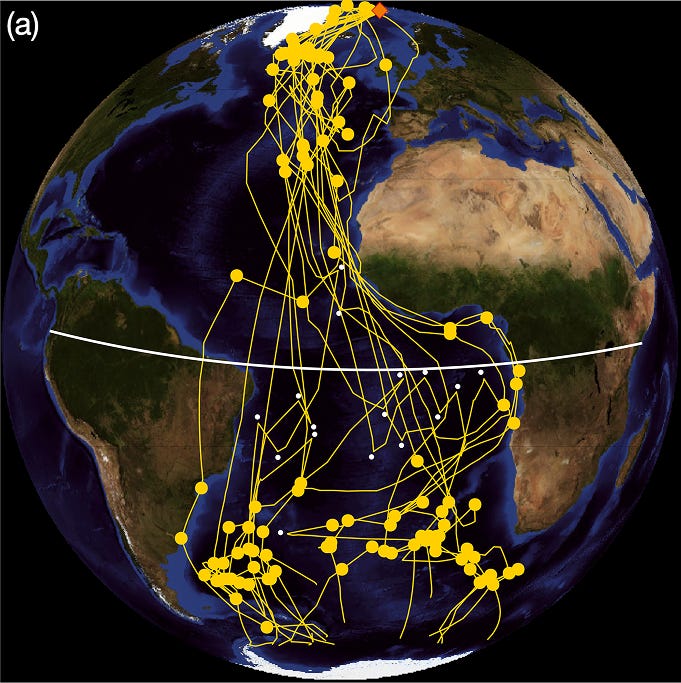
Doing our own magnetobiology research — Inspired by its work helping to break the bottleneck in quantum biology, Leverage is now doing its own magnetobiology research. Oliver has taken a top-down approach, starting with biology and moving towards chemistry. Geoff is going bottom-up, starting with quantum phenomena like spin and working towards an understanding of electromagnetic effects. The two are very substantially aided by Cliff Sandlin, a molecular biologist who is now contracting with Leverage. The goal of the research is to produce a series of papers that clarify and advance the scientific understanding of magnetobiology, which will, in turn, help organize research in quantum biology pertaining to the effects of weak magnetic fields.
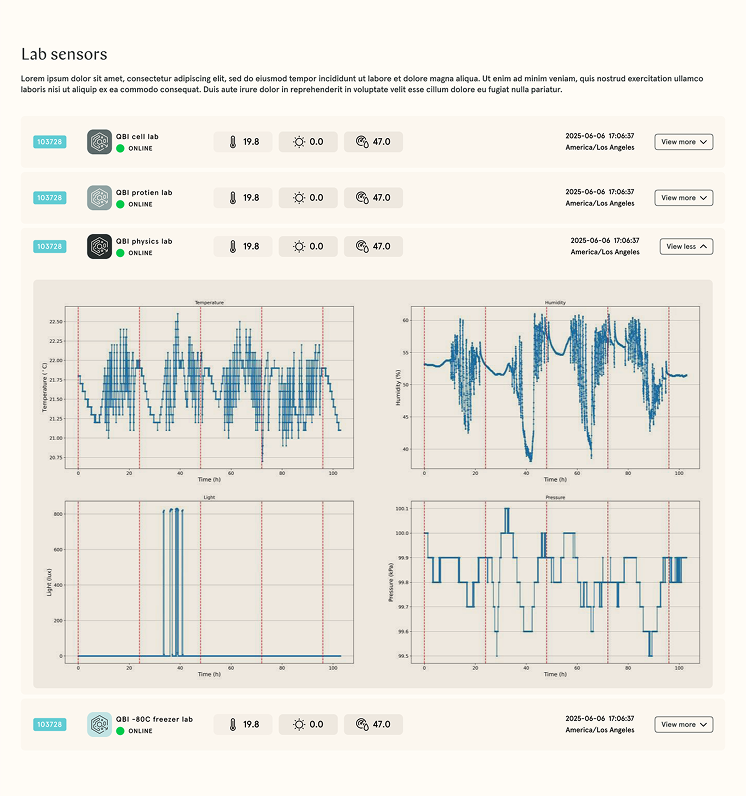
Supporting QBI — With the arrival of the optical table and Brian Ross, the Quantum Biology Institute’s new Head of Biochemistry, starting work, QBI is now ready to begin its research in earnest. Leverage has continued supporting QBI’s work, giving weekly presentations on key topics, providing operational and legal information on a variety of topics, and managing the revision of the QBI website, which will include readings from sensors in the lab. Leverage also hired a contractor, Anna Stillwell, to help QBI with fundraising; as part of her work, Anna developed a strategy for QBI fundraising centered around the development of a scientific advisory council and the board. Anna finished up her work on the Leverage contract in mid-June.
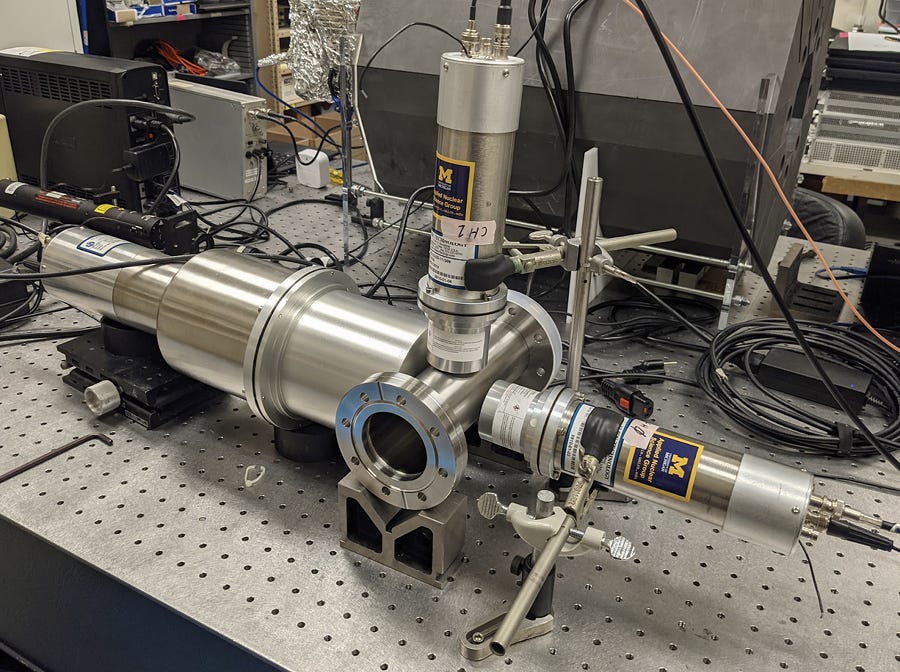
Exploring nucleonics — The next bottleneck Leverage will try to break is in the field of nucleonics. Nucleonics is, essentially, the study of how quantum effects, especially those pertaining to nucleons (protons and neutrons), show up and can be harnessed in the context of material science. Oliver and Geoff reviewed some literature from the MIT LENR team and developed an initial hypothesis about why the field was stuck. The two teams then scheduled a two-day workshop at MIT, which will overlap the Q3 Leverage retreat in Boston.
Hiring contractors — As mentioned above, Leverage has recently been experimenting with hiring contractors. This may not seem to warrant a news item on its own, but the experiment has gone extremely well thus far. This has led the team to wonder if hiring contractors for a variety of roles is a way for the Leverage team to easily expand and contract as circumstances change. It’s quite possible that a future version of Leverage will include fleets of contractors hired for particular jobs, with the institute able to easily pivot and modify itself as need be.
Leverage Weeklies #64-72 — The Leverage Weekly publication has continued, each providing a brief discussion of an important topic in organizational design and summarizing the events at Leverage from the week. A large variety of topics were covered: what efficiency looks like (Weekly #64), negotiation (Weekly #65), company values (Weekly #66), management (Weekly #67 and Weekly #68), task management (Weekly #69), planning (Weekly #70), reporting to superiors (Weekly #71), and organizational history (Weekly #72). The medium continues to be highly fruitful and we expect Leverage Weekly to continue.

The team has also been making progress on other things, including a survey of the science funding landscape and the economics of science. The team, unfortunately, has not made much progress on the current history of science case study or last year’s Annual Report. There are also a variety of written pieces that have been planned but not prioritized. Hopefully soon!
Until next time,
The Leverage team